


{IMAGE_1}
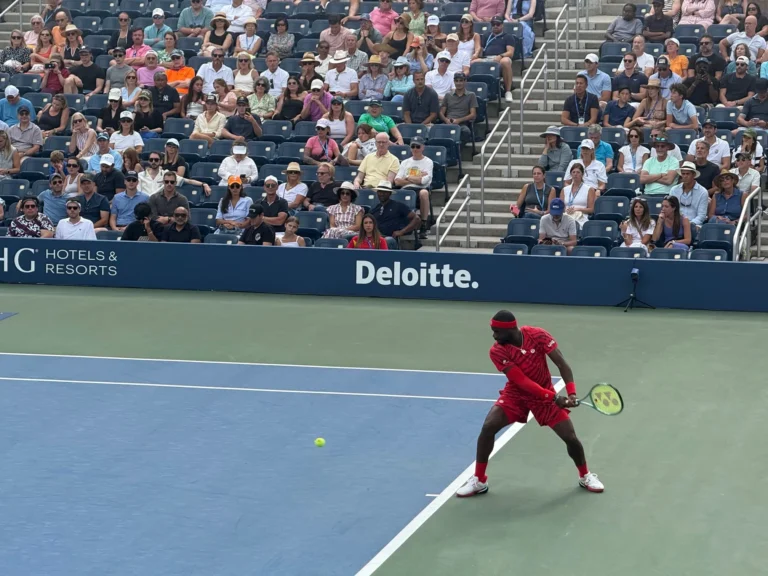
Racquet sports continue to flourish amid shifting fitness trends, with many enthusiasts dedicating their weekends to tennis, joining after-work pickleball matches, or squeezing in badminton games whenever they can.
The attraction of these sports remains largely consistent. Players appreciate the challenges they offer, yet modern racquet sports have evolved to become more accessible and easier to incorporate into everyday life. Furthermore, they have become vibrant social activities that promote connections among participants.
The Enduring Appeal of Racquet Sports
Few pursuits combine physical activity, strategic thinking, and social interaction as effectively as racquet sports. This distinctive blend has kept fans returning for generations.
Entering a court, even for a casual game, necessitates ongoing decision-making. Some decisions must be made on the spot, while others develop over the course of a rally. How can you adjust your opponent’s positioning? Should you accelerate the pace or slow it down?
Often, the delicate balance between winning and losing a point relies on timing rather than brute strength. This dynamic keeps the competition lively. Even after numerous matches, players find there is always more to learn. Consequently, seasoned players frequently engage in discussions about shot selection, positioning, or ways to enhance their performance from past games.
The social dimension adds an additional layer of enjoyment. Local courts often foster their own communities, where regular players become acquainted with one another. Newcomers are embraced by established groups, leading to friendly competitions that can persist for years.
Moreover, racquet sports promote interaction across different age groups. It is common to witness players in their twenties sharing courts with those in their sixties or seventies, a rarity in many other athletic endeavors.
Accessibility and Modern Participation Trends
In today’s fast-paced environment, individuals often find themselves pulled in various directions. Despite busy schedules, many casual athletes prioritize staying active. Time constraints frequently influence their choices in physical activities, with many seeking challenges that easily fit into their routines.
Currently, racquet sports align perfectly with these evolving lifestyles. Various venues host casual meetups, introductory classes, and quick-match sessions tailored for those with hectic calendars.
Pickleball serves as a prime example of this trend. With its straightforward rules and easy gameplay, newcomers can quickly grasp the fundamentals after just a few rounds, making for an enjoyable experience.
At the same time, competition is heating up each season. Across regions, individuals are eager to engage in regular games to hone their skills. The rise of organizations likepickleball leagues in Orlandoandpickleball leagues in San Antoniounderscores the growing interest in matches and shared court experiences.
Additionally, digital tools have subtly enhanced participation rates. Previously, securing consistent playing partners depended heavily on personal networks. Now, through websites and mobile applications, organizing games, tracking scores, or registering for tournaments has become commonplace. Joining apickleball leagueoften requires less effort than enrolling in traditional fitness centers.
The Physical and Mental Benefits
Many players are attracted to racquet sports primarily for their physical benefits. Participants engage in short bursts of sprinting, rapid directional shifts, sudden stops, and ongoing adjustments to maintain balance. The physical intensity is rewarding and feels less monotonous compared to traditional workouts, as players focus on the game itself.
The mental component of the sport contributes to its appeal. A rally is not just a series of exchanges; it involves continuous analysis. Which shots pose challenges? Which patterns are recurring? This ongoing evaluation sharpens focus and enhances coordination.
This combination of athleticism and strategy is difficult to replicate in other sports. It encourages players to strive for improvement long after they have mastered the fundamentals.
Community and Competition
For many participants, the sense of community is as vital as the competitive element. This camaraderie is evident in local leagues each week. Players often arrive early and stay afterward to check on each other’s progress, discuss equipment, share tournament experiences, and occasionally debate strategies.
Of course, competition is important. Having a goal—whether it’s winning more matches or moving up to a higher division—provides a sense of purpose in practice sessions. Witnessing personal improvement is fulfilling, and most players derive satisfaction from seeing their hard work yield results.
Recent changes have made many leagues more inviting. Skill-based divisions are increasingly prevalent, promoting balanced competition and easing the experience for newcomers. When matches feel competitive but not overwhelming, players are more inclined to stay engaged.
This strategy benefits all participants. New players gain confidence, experienced players enjoy meaningful competition, and local communities continue to thrive.
Conclusion
The ongoing evolution of racquet sports is not about changing what makes them enjoyable. The fundamental aspects that attracted players in the past are still present. However, the avenues into the sport have transformed.
Improvements in equipment, adaptable playing formats, digital scheduling tools, and beginner-friendly leagues have significantly reduced barriers to participation. As a result, more individuals are finding their way onto the courts and maintaining their involvement.